Epoch Partners with Google on Geospatial AI to Build Sustainable Sourcing Solutions
Partnering with Google Cloud to leverage AI and geospatial technology for EUDR compliance and sustainable supply chain verification.
Stay informed with our latest news, insights, and technical whitepapers

Partnering with Google Cloud to leverage AI and geospatial technology for EUDR compliance and sustainable supply chain verification.

Integration provides comprehensive Scope 3 emissions for agriculture and forestry-linked supply chains, enabling more accurate measurement and reporting of environmental impact.

Guest article discussing how open data is key for sustainable farming and EUDR compliance, highlighting the importance of transparency in agricultural supply chains.

Strategic alliance to create unprecedented transparency and decarbonization capability across agriculture and forestry supply chains, combining Altana's Value Chain Management System with Epoch Blue's environmental intelligence and insetting capabilities.

Partnering with Google Cloud to leverage AI and geospatial technology for EUDR compliance and sustainable supply chain verification.

Integration provides comprehensive Scope 3 emissions for agriculture and forestry-linked supply chains, enabling more accurate measurement and reporting of environmental impact.

Guest article discussing how open data is key for sustainable farming and EUDR compliance, highlighting the importance of transparency in agricultural supply chains.

Strategic alliance to create unprecedented transparency and decarbonization capability across agriculture and forestry supply chains, combining Altana's Value Chain Management System with Epoch Blue's environmental intelligence and insetting capabilities.

Partnering with Google Cloud to leverage AI and geospatial technology for EUDR compliance and sustainable supply chain verification.

Integration provides comprehensive Scope 3 emissions for agriculture and forestry-linked supply chains, enabling more accurate measurement and reporting of environmental impact.

Guest article discussing how open data is key for sustainable farming and EUDR compliance, highlighting the importance of transparency in agricultural supply chains.

Strategic alliance to create unprecedented transparency and decarbonization capability across agriculture and forestry supply chains, combining Altana's Value Chain Management System with Epoch Blue's environmental intelligence and insetting capabilities.

Partnering with Google Cloud to leverage AI and geospatial technology for EUDR compliance and sustainable supply chain verification.

Integration provides comprehensive Scope 3 emissions for agriculture and forestry-linked supply chains, enabling more accurate measurement and reporting of environmental impact.

Guest article discussing how open data is key for sustainable farming and EUDR compliance, highlighting the importance of transparency in agricultural supply chains.

Strategic alliance to create unprecedented transparency and decarbonization capability across agriculture and forestry supply chains, combining Altana's Value Chain Management System with Epoch Blue's environmental intelligence and insetting capabilities.

Partnering with Google Cloud to leverage AI and geospatial technology for EUDR compliance and sustainable supply chain verification.

Integration provides comprehensive Scope 3 emissions for agriculture and forestry-linked supply chains, enabling more accurate measurement and reporting of environmental impact.

Guest article discussing how open data is key for sustainable farming and EUDR compliance, highlighting the importance of transparency in agricultural supply chains.

Strategic alliance to create unprecedented transparency and decarbonization capability across agriculture and forestry supply chains, combining Altana's Value Chain Management System with Epoch Blue's environmental intelligence and insetting capabilities.

Partnering with Google Cloud to leverage AI and geospatial technology for EUDR compliance and sustainable supply chain verification.

Integration provides comprehensive Scope 3 emissions for agriculture and forestry-linked supply chains, enabling more accurate measurement and reporting of environmental impact.

Guest article discussing how open data is key for sustainable farming and EUDR compliance, highlighting the importance of transparency in agricultural supply chains.

Strategic alliance to create unprecedented transparency and decarbonization capability across agriculture and forestry supply chains, combining Altana's Value Chain Management System with Epoch Blue's environmental intelligence and insetting capabilities.

Partnering with Google Cloud to leverage AI and geospatial technology for EUDR compliance and sustainable supply chain verification.

Integration provides comprehensive Scope 3 emissions for agriculture and forestry-linked supply chains, enabling more accurate measurement and reporting of environmental impact.

Guest article discussing how open data is key for sustainable farming and EUDR compliance, highlighting the importance of transparency in agricultural supply chains.

Strategic alliance to create unprecedented transparency and decarbonization capability across agriculture and forestry supply chains, combining Altana's Value Chain Management System with Epoch Blue's environmental intelligence and insetting capabilities.

Partnering with Google Cloud to leverage AI and geospatial technology for EUDR compliance and sustainable supply chain verification.

Integration provides comprehensive Scope 3 emissions for agriculture and forestry-linked supply chains, enabling more accurate measurement and reporting of environmental impact.

Guest article discussing how open data is key for sustainable farming and EUDR compliance, highlighting the importance of transparency in agricultural supply chains.

Strategic alliance to create unprecedented transparency and decarbonization capability across agriculture and forestry supply chains, combining Altana's Value Chain Management System with Epoch Blue's environmental intelligence and insetting capabilities.

Partnering with Google Cloud to leverage AI and geospatial technology for EUDR compliance and sustainable supply chain verification.

Integration provides comprehensive Scope 3 emissions for agriculture and forestry-linked supply chains, enabling more accurate measurement and reporting of environmental impact.

Guest article discussing how open data is key for sustainable farming and EUDR compliance, highlighting the importance of transparency in agricultural supply chains.

Strategic alliance to create unprecedented transparency and decarbonization capability across agriculture and forestry supply chains, combining Altana's Value Chain Management System with Epoch Blue's environmental intelligence and insetting capabilities.

Partnering with Google Cloud to leverage AI and geospatial technology for EUDR compliance and sustainable supply chain verification.

Integration provides comprehensive Scope 3 emissions for agriculture and forestry-linked supply chains, enabling more accurate measurement and reporting of environmental impact.

Guest article discussing how open data is key for sustainable farming and EUDR compliance, highlighting the importance of transparency in agricultural supply chains.

Strategic alliance to create unprecedented transparency and decarbonization capability across agriculture and forestry supply chains, combining Altana's Value Chain Management System with Epoch Blue's environmental intelligence and insetting capabilities.

Partnering with Google Cloud to leverage AI and geospatial technology for EUDR compliance and sustainable supply chain verification.

Integration provides comprehensive Scope 3 emissions for agriculture and forestry-linked supply chains, enabling more accurate measurement and reporting of environmental impact.

Guest article discussing how open data is key for sustainable farming and EUDR compliance, highlighting the importance of transparency in agricultural supply chains.

Strategic alliance to create unprecedented transparency and decarbonization capability across agriculture and forestry supply chains, combining Altana's Value Chain Management System with Epoch Blue's environmental intelligence and insetting capabilities.

Partnering with Google Cloud to leverage AI and geospatial technology for EUDR compliance and sustainable supply chain verification.

Integration provides comprehensive Scope 3 emissions for agriculture and forestry-linked supply chains, enabling more accurate measurement and reporting of environmental impact.

Guest article discussing how open data is key for sustainable farming and EUDR compliance, highlighting the importance of transparency in agricultural supply chains.

Strategic alliance to create unprecedented transparency and decarbonization capability across agriculture and forestry supply chains, combining Altana's Value Chain Management System with Epoch Blue's environmental intelligence and insetting capabilities.

Partnering with Google Cloud to leverage AI and geospatial technology for EUDR compliance and sustainable supply chain verification.

Integration provides comprehensive Scope 3 emissions for agriculture and forestry-linked supply chains, enabling more accurate measurement and reporting of environmental impact.

Guest article discussing how open data is key for sustainable farming and EUDR compliance, highlighting the importance of transparency in agricultural supply chains.

Strategic alliance to create unprecedented transparency and decarbonization capability across agriculture and forestry supply chains, combining Altana's Value Chain Management System with Epoch Blue's environmental intelligence and insetting capabilities.

Partnering with Google Cloud to leverage AI and geospatial technology for EUDR compliance and sustainable supply chain verification.

Integration provides comprehensive Scope 3 emissions for agriculture and forestry-linked supply chains, enabling more accurate measurement and reporting of environmental impact.

Guest article discussing how open data is key for sustainable farming and EUDR compliance, highlighting the importance of transparency in agricultural supply chains.

Strategic alliance to create unprecedented transparency and decarbonization capability across agriculture and forestry supply chains, combining Altana's Value Chain Management System with Epoch Blue's environmental intelligence and insetting capabilities.

Partnering with Google Cloud to leverage AI and geospatial technology for EUDR compliance and sustainable supply chain verification.

Integration provides comprehensive Scope 3 emissions for agriculture and forestry-linked supply chains, enabling more accurate measurement and reporting of environmental impact.

Guest article discussing how open data is key for sustainable farming and EUDR compliance, highlighting the importance of transparency in agricultural supply chains.

Strategic alliance to create unprecedented transparency and decarbonization capability across agriculture and forestry supply chains, combining Altana's Value Chain Management System with Epoch Blue's environmental intelligence and insetting capabilities.

Partnering with Google Cloud to leverage AI and geospatial technology for EUDR compliance and sustainable supply chain verification.

Integration provides comprehensive Scope 3 emissions for agriculture and forestry-linked supply chains, enabling more accurate measurement and reporting of environmental impact.

Guest article discussing how open data is key for sustainable farming and EUDR compliance, highlighting the importance of transparency in agricultural supply chains.

Strategic alliance to create unprecedented transparency and decarbonization capability across agriculture and forestry supply chains, combining Altana's Value Chain Management System with Epoch Blue's environmental intelligence and insetting capabilities.

Partnering with Google Cloud to leverage AI and geospatial technology for EUDR compliance and sustainable supply chain verification.

Integration provides comprehensive Scope 3 emissions for agriculture and forestry-linked supply chains, enabling more accurate measurement and reporting of environmental impact.

Guest article discussing how open data is key for sustainable farming and EUDR compliance, highlighting the importance of transparency in agricultural supply chains.

Strategic alliance to create unprecedented transparency and decarbonization capability across agriculture and forestry supply chains, combining Altana's Value Chain Management System with Epoch Blue's environmental intelligence and insetting capabilities.

Partnering with Google Cloud to leverage AI and geospatial technology for EUDR compliance and sustainable supply chain verification.

Integration provides comprehensive Scope 3 emissions for agriculture and forestry-linked supply chains, enabling more accurate measurement and reporting of environmental impact.

Guest article discussing how open data is key for sustainable farming and EUDR compliance, highlighting the importance of transparency in agricultural supply chains.

Strategic alliance to create unprecedented transparency and decarbonization capability across agriculture and forestry supply chains, combining Altana's Value Chain Management System with Epoch Blue's environmental intelligence and insetting capabilities.

Partnering with Google Cloud to leverage AI and geospatial technology for EUDR compliance and sustainable supply chain verification.

Integration provides comprehensive Scope 3 emissions for agriculture and forestry-linked supply chains, enabling more accurate measurement and reporting of environmental impact.

Guest article discussing how open data is key for sustainable farming and EUDR compliance, highlighting the importance of transparency in agricultural supply chains.

Strategic alliance to create unprecedented transparency and decarbonization capability across agriculture and forestry supply chains, combining Altana's Value Chain Management System with Epoch Blue's environmental intelligence and insetting capabilities.

Partnering with Google Cloud to leverage AI and geospatial technology for EUDR compliance and sustainable supply chain verification.

Integration provides comprehensive Scope 3 emissions for agriculture and forestry-linked supply chains, enabling more accurate measurement and reporting of environmental impact.

Guest article discussing how open data is key for sustainable farming and EUDR compliance, highlighting the importance of transparency in agricultural supply chains.

Strategic alliance to create unprecedented transparency and decarbonization capability across agriculture and forestry supply chains, combining Altana's Value Chain Management System with Epoch Blue's environmental intelligence and insetting capabilities.

Partnering with Google Cloud to leverage AI and geospatial technology for EUDR compliance and sustainable supply chain verification.

Integration provides comprehensive Scope 3 emissions for agriculture and forestry-linked supply chains, enabling more accurate measurement and reporting of environmental impact.

Guest article discussing how open data is key for sustainable farming and EUDR compliance, highlighting the importance of transparency in agricultural supply chains.

Strategic alliance to create unprecedented transparency and decarbonization capability across agriculture and forestry supply chains, combining Altana's Value Chain Management System with Epoch Blue's environmental intelligence and insetting capabilities.

Partnering with Google Cloud to leverage AI and geospatial technology for EUDR compliance and sustainable supply chain verification.

Integration provides comprehensive Scope 3 emissions for agriculture and forestry-linked supply chains, enabling more accurate measurement and reporting of environmental impact.

Guest article discussing how open data is key for sustainable farming and EUDR compliance, highlighting the importance of transparency in agricultural supply chains.

Strategic alliance to create unprecedented transparency and decarbonization capability across agriculture and forestry supply chains, combining Altana's Value Chain Management System with Epoch Blue's environmental intelligence and insetting capabilities.

Partnering with Google Cloud to leverage AI and geospatial technology for EUDR compliance and sustainable supply chain verification.

Integration provides comprehensive Scope 3 emissions for agriculture and forestry-linked supply chains, enabling more accurate measurement and reporting of environmental impact.

Guest article discussing how open data is key for sustainable farming and EUDR compliance, highlighting the importance of transparency in agricultural supply chains.

Strategic alliance to create unprecedented transparency and decarbonization capability across agriculture and forestry supply chains, combining Altana's Value Chain Management System with Epoch Blue's environmental intelligence and insetting capabilities.

Partnering with Google Cloud to leverage AI and geospatial technology for EUDR compliance and sustainable supply chain verification.

Integration provides comprehensive Scope 3 emissions for agriculture and forestry-linked supply chains, enabling more accurate measurement and reporting of environmental impact.

Guest article discussing how open data is key for sustainable farming and EUDR compliance, highlighting the importance of transparency in agricultural supply chains.

Strategic alliance to create unprecedented transparency and decarbonization capability across agriculture and forestry supply chains, combining Altana's Value Chain Management System with Epoch Blue's environmental intelligence and insetting capabilities.

Partnering with Google Cloud to leverage AI and geospatial technology for EUDR compliance and sustainable supply chain verification.

Integration provides comprehensive Scope 3 emissions for agriculture and forestry-linked supply chains, enabling more accurate measurement and reporting of environmental impact.

Guest article discussing how open data is key for sustainable farming and EUDR compliance, highlighting the importance of transparency in agricultural supply chains.

Strategic alliance to create unprecedented transparency and decarbonization capability across agriculture and forestry supply chains, combining Altana's Value Chain Management System with Epoch Blue's environmental intelligence and insetting capabilities.

Partnering with Google Cloud to leverage AI and geospatial technology for EUDR compliance and sustainable supply chain verification.

Integration provides comprehensive Scope 3 emissions for agriculture and forestry-linked supply chains, enabling more accurate measurement and reporting of environmental impact.

Guest article discussing how open data is key for sustainable farming and EUDR compliance, highlighting the importance of transparency in agricultural supply chains.

Strategic alliance to create unprecedented transparency and decarbonization capability across agriculture and forestry supply chains, combining Altana's Value Chain Management System with Epoch Blue's environmental intelligence and insetting capabilities.

Partnering with Google Cloud to leverage AI and geospatial technology for EUDR compliance and sustainable supply chain verification.

Integration provides comprehensive Scope 3 emissions for agriculture and forestry-linked supply chains, enabling more accurate measurement and reporting of environmental impact.

Guest article discussing how open data is key for sustainable farming and EUDR compliance, highlighting the importance of transparency in agricultural supply chains.

Strategic alliance to create unprecedented transparency and decarbonization capability across agriculture and forestry supply chains, combining Altana's Value Chain Management System with Epoch Blue's environmental intelligence and insetting capabilities.

Partnering with Google Cloud to leverage AI and geospatial technology for EUDR compliance and sustainable supply chain verification.

Integration provides comprehensive Scope 3 emissions for agriculture and forestry-linked supply chains, enabling more accurate measurement and reporting of environmental impact.

Guest article discussing how open data is key for sustainable farming and EUDR compliance, highlighting the importance of transparency in agricultural supply chains.

Strategic alliance to create unprecedented transparency and decarbonization capability across agriculture and forestry supply chains, combining Altana's Value Chain Management System with Epoch Blue's environmental intelligence and insetting capabilities.

Partnering with Google Cloud to leverage AI and geospatial technology for EUDR compliance and sustainable supply chain verification.

Integration provides comprehensive Scope 3 emissions for agriculture and forestry-linked supply chains, enabling more accurate measurement and reporting of environmental impact.

Guest article discussing how open data is key for sustainable farming and EUDR compliance, highlighting the importance of transparency in agricultural supply chains.

Strategic alliance to create unprecedented transparency and decarbonization capability across agriculture and forestry supply chains, combining Altana's Value Chain Management System with Epoch Blue's environmental intelligence and insetting capabilities.

Partnering with Google Cloud to leverage AI and geospatial technology for EUDR compliance and sustainable supply chain verification.

Integration provides comprehensive Scope 3 emissions for agriculture and forestry-linked supply chains, enabling more accurate measurement and reporting of environmental impact.

Guest article discussing how open data is key for sustainable farming and EUDR compliance, highlighting the importance of transparency in agricultural supply chains.

Strategic alliance to create unprecedented transparency and decarbonization capability across agriculture and forestry supply chains, combining Altana's Value Chain Management System with Epoch Blue's environmental intelligence and insetting capabilities.

Partnering with Google Cloud to leverage AI and geospatial technology for EUDR compliance and sustainable supply chain verification.

Integration provides comprehensive Scope 3 emissions for agriculture and forestry-linked supply chains, enabling more accurate measurement and reporting of environmental impact.

Guest article discussing how open data is key for sustainable farming and EUDR compliance, highlighting the importance of transparency in agricultural supply chains.

Strategic alliance to create unprecedented transparency and decarbonization capability across agriculture and forestry supply chains, combining Altana's Value Chain Management System with Epoch Blue's environmental intelligence and insetting capabilities.

Partnering with Google Cloud to leverage AI and geospatial technology for EUDR compliance and sustainable supply chain verification.

Integration provides comprehensive Scope 3 emissions for agriculture and forestry-linked supply chains, enabling more accurate measurement and reporting of environmental impact.

Guest article discussing how open data is key for sustainable farming and EUDR compliance, highlighting the importance of transparency in agricultural supply chains.

Strategic alliance to create unprecedented transparency and decarbonization capability across agriculture and forestry supply chains, combining Altana's Value Chain Management System with Epoch Blue's environmental intelligence and insetting capabilities.

Partnering with Google Cloud to leverage AI and geospatial technology for EUDR compliance and sustainable supply chain verification.

Integration provides comprehensive Scope 3 emissions for agriculture and forestry-linked supply chains, enabling more accurate measurement and reporting of environmental impact.

Guest article discussing how open data is key for sustainable farming and EUDR compliance, highlighting the importance of transparency in agricultural supply chains.

Strategic alliance to create unprecedented transparency and decarbonization capability across agriculture and forestry supply chains, combining Altana's Value Chain Management System with Epoch Blue's environmental intelligence and insetting capabilities.

Partnering with Google Cloud to leverage AI and geospatial technology for EUDR compliance and sustainable supply chain verification.

Integration provides comprehensive Scope 3 emissions for agriculture and forestry-linked supply chains, enabling more accurate measurement and reporting of environmental impact.

Guest article discussing how open data is key for sustainable farming and EUDR compliance, highlighting the importance of transparency in agricultural supply chains.

Strategic alliance to create unprecedented transparency and decarbonization capability across agriculture and forestry supply chains, combining Altana's Value Chain Management System with Epoch Blue's environmental intelligence and insetting capabilities.

Partnering with Google Cloud to leverage AI and geospatial technology for EUDR compliance and sustainable supply chain verification.

Integration provides comprehensive Scope 3 emissions for agriculture and forestry-linked supply chains, enabling more accurate measurement and reporting of environmental impact.

Guest article discussing how open data is key for sustainable farming and EUDR compliance, highlighting the importance of transparency in agricultural supply chains.

Strategic alliance to create unprecedented transparency and decarbonization capability across agriculture and forestry supply chains, combining Altana's Value Chain Management System with Epoch Blue's environmental intelligence and insetting capabilities.

Partnering with Google Cloud to leverage AI and geospatial technology for EUDR compliance and sustainable supply chain verification.

Integration provides comprehensive Scope 3 emissions for agriculture and forestry-linked supply chains, enabling more accurate measurement and reporting of environmental impact.

Guest article discussing how open data is key for sustainable farming and EUDR compliance, highlighting the importance of transparency in agricultural supply chains.

Strategic alliance to create unprecedented transparency and decarbonization capability across agriculture and forestry supply chains, combining Altana's Value Chain Management System with Epoch Blue's environmental intelligence and insetting capabilities.

Partnering with Google Cloud to leverage AI and geospatial technology for EUDR compliance and sustainable supply chain verification.

Integration provides comprehensive Scope 3 emissions for agriculture and forestry-linked supply chains, enabling more accurate measurement and reporting of environmental impact.

Guest article discussing how open data is key for sustainable farming and EUDR compliance, highlighting the importance of transparency in agricultural supply chains.

Strategic alliance to create unprecedented transparency and decarbonization capability across agriculture and forestry supply chains, combining Altana's Value Chain Management System with Epoch Blue's environmental intelligence and insetting capabilities.

Partnering with Google Cloud to leverage AI and geospatial technology for EUDR compliance and sustainable supply chain verification.

Integration provides comprehensive Scope 3 emissions for agriculture and forestry-linked supply chains, enabling more accurate measurement and reporting of environmental impact.

Guest article discussing how open data is key for sustainable farming and EUDR compliance, highlighting the importance of transparency in agricultural supply chains.

Strategic alliance to create unprecedented transparency and decarbonization capability across agriculture and forestry supply chains, combining Altana's Value Chain Management System with Epoch Blue's environmental intelligence and insetting capabilities.

Partnering with Google Cloud to leverage AI and geospatial technology for EUDR compliance and sustainable supply chain verification.

Integration provides comprehensive Scope 3 emissions for agriculture and forestry-linked supply chains, enabling more accurate measurement and reporting of environmental impact.

Guest article discussing how open data is key for sustainable farming and EUDR compliance, highlighting the importance of transparency in agricultural supply chains.

Strategic alliance to create unprecedented transparency and decarbonization capability across agriculture and forestry supply chains, combining Altana's Value Chain Management System with Epoch Blue's environmental intelligence and insetting capabilities.

Partnering with Google Cloud to leverage AI and geospatial technology for EUDR compliance and sustainable supply chain verification.

Integration provides comprehensive Scope 3 emissions for agriculture and forestry-linked supply chains, enabling more accurate measurement and reporting of environmental impact.

Guest article discussing how open data is key for sustainable farming and EUDR compliance, highlighting the importance of transparency in agricultural supply chains.

Strategic alliance to create unprecedented transparency and decarbonization capability across agriculture and forestry supply chains, combining Altana's Value Chain Management System with Epoch Blue's environmental intelligence and insetting capabilities.

Partnering with Google Cloud to leverage AI and geospatial technology for EUDR compliance and sustainable supply chain verification.

Integration provides comprehensive Scope 3 emissions for agriculture and forestry-linked supply chains, enabling more accurate measurement and reporting of environmental impact.

Guest article discussing how open data is key for sustainable farming and EUDR compliance, highlighting the importance of transparency in agricultural supply chains.

Strategic alliance to create unprecedented transparency and decarbonization capability across agriculture and forestry supply chains, combining Altana's Value Chain Management System with Epoch Blue's environmental intelligence and insetting capabilities.

Partnering with Google Cloud to leverage AI and geospatial technology for EUDR compliance and sustainable supply chain verification.

Integration provides comprehensive Scope 3 emissions for agriculture and forestry-linked supply chains, enabling more accurate measurement and reporting of environmental impact.

Guest article discussing how open data is key for sustainable farming and EUDR compliance, highlighting the importance of transparency in agricultural supply chains.

Strategic alliance to create unprecedented transparency and decarbonization capability across agriculture and forestry supply chains, combining Altana's Value Chain Management System with Epoch Blue's environmental intelligence and insetting capabilities.

Partnering with Google Cloud to leverage AI and geospatial technology for EUDR compliance and sustainable supply chain verification.

Integration provides comprehensive Scope 3 emissions for agriculture and forestry-linked supply chains, enabling more accurate measurement and reporting of environmental impact.

Guest article discussing how open data is key for sustainable farming and EUDR compliance, highlighting the importance of transparency in agricultural supply chains.

Strategic alliance to create unprecedented transparency and decarbonization capability across agriculture and forestry supply chains, combining Altana's Value Chain Management System with Epoch Blue's environmental intelligence and insetting capabilities.

Partnering with Google Cloud to leverage AI and geospatial technology for EUDR compliance and sustainable supply chain verification.

Integration provides comprehensive Scope 3 emissions for agriculture and forestry-linked supply chains, enabling more accurate measurement and reporting of environmental impact.

Guest article discussing how open data is key for sustainable farming and EUDR compliance, highlighting the importance of transparency in agricultural supply chains.

Strategic alliance to create unprecedented transparency and decarbonization capability across agriculture and forestry supply chains, combining Altana's Value Chain Management System with Epoch Blue's environmental intelligence and insetting capabilities.

Partnering with Google Cloud to leverage AI and geospatial technology for EUDR compliance and sustainable supply chain verification.

Integration provides comprehensive Scope 3 emissions for agriculture and forestry-linked supply chains, enabling more accurate measurement and reporting of environmental impact.

Guest article discussing how open data is key for sustainable farming and EUDR compliance, highlighting the importance of transparency in agricultural supply chains.

Strategic alliance to create unprecedented transparency and decarbonization capability across agriculture and forestry supply chains, combining Altana's Value Chain Management System with Epoch Blue's environmental intelligence and insetting capabilities.

Partnering with Google Cloud to leverage AI and geospatial technology for EUDR compliance and sustainable supply chain verification.

Integration provides comprehensive Scope 3 emissions for agriculture and forestry-linked supply chains, enabling more accurate measurement and reporting of environmental impact.

Guest article discussing how open data is key for sustainable farming and EUDR compliance, highlighting the importance of transparency in agricultural supply chains.

Strategic alliance to create unprecedented transparency and decarbonization capability across agriculture and forestry supply chains, combining Altana's Value Chain Management System with Epoch Blue's environmental intelligence and insetting capabilities.

Partnering with Google Cloud to leverage AI and geospatial technology for EUDR compliance and sustainable supply chain verification.

Integration provides comprehensive Scope 3 emissions for agriculture and forestry-linked supply chains, enabling more accurate measurement and reporting of environmental impact.

Guest article discussing how open data is key for sustainable farming and EUDR compliance, highlighting the importance of transparency in agricultural supply chains.

Strategic alliance to create unprecedented transparency and decarbonization capability across agriculture and forestry supply chains, combining Altana's Value Chain Management System with Epoch Blue's environmental intelligence and insetting capabilities.

Partnering with Google Cloud to leverage AI and geospatial technology for EUDR compliance and sustainable supply chain verification.

Integration provides comprehensive Scope 3 emissions for agriculture and forestry-linked supply chains, enabling more accurate measurement and reporting of environmental impact.

Guest article discussing how open data is key for sustainable farming and EUDR compliance, highlighting the importance of transparency in agricultural supply chains.

Strategic alliance to create unprecedented transparency and decarbonization capability across agriculture and forestry supply chains, combining Altana's Value Chain Management System with Epoch Blue's environmental intelligence and insetting capabilities.

Partnering with Google Cloud to leverage AI and geospatial technology for EUDR compliance and sustainable supply chain verification.

Integration provides comprehensive Scope 3 emissions for agriculture and forestry-linked supply chains, enabling more accurate measurement and reporting of environmental impact.

Guest article discussing how open data is key for sustainable farming and EUDR compliance, highlighting the importance of transparency in agricultural supply chains.

Strategic alliance to create unprecedented transparency and decarbonization capability across agriculture and forestry supply chains, combining Altana's Value Chain Management System with Epoch Blue's environmental intelligence and insetting capabilities.

Partnering with Google Cloud to leverage AI and geospatial technology for EUDR compliance and sustainable supply chain verification.

Integration provides comprehensive Scope 3 emissions for agriculture and forestry-linked supply chains, enabling more accurate measurement and reporting of environmental impact.

Guest article discussing how open data is key for sustainable farming and EUDR compliance, highlighting the importance of transparency in agricultural supply chains.

Strategic alliance to create unprecedented transparency and decarbonization capability across agriculture and forestry supply chains, combining Altana's Value Chain Management System with Epoch Blue's environmental intelligence and insetting capabilities.

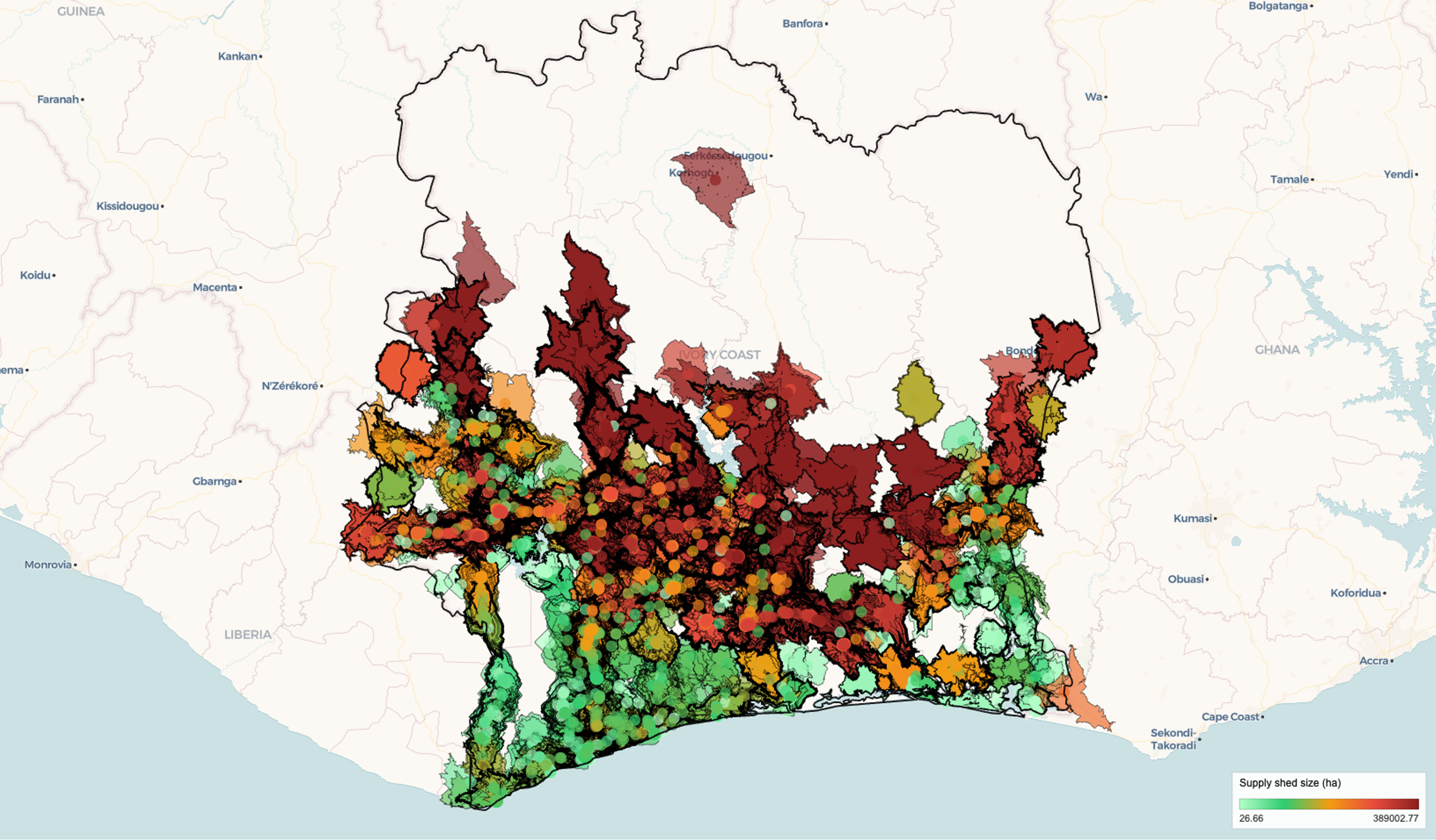
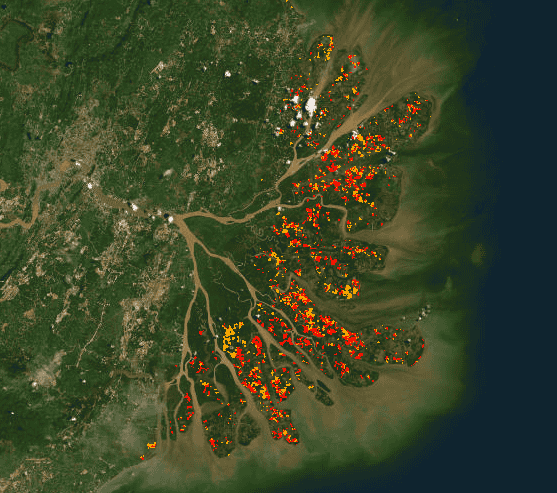
The global food system drives major environmental harm, but impact is highly concentrated. Epoch’s first-mile mapping shows the bottom 5% of producers cause most deforestation and emissions—proving targeted, plot-level action beats broad sustainability programs.
In today's rapidly evolving global economy, companies face unprecedented scrutiny over the origins and environmental impact of their products. A new standard has been set—at the heart of this shift is one key principle: "Know Your Supplier" (KYS).

The world of commodity supply chains is undergoing a rapid transformation. For decades, as a commodity producer, you have been a price-taker, operating with limited relationships, little data ownership, and minimal ability to differentiate your product.

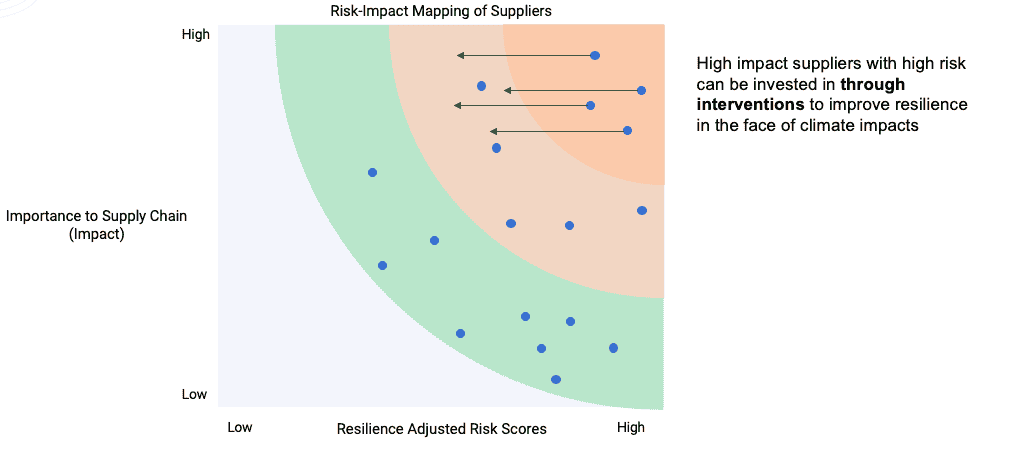
Supply chain resilience has never been more critical. As the frequency of extreme weather events increases, transitioning from generic emissions factors to granular, supplier-specific data is the biggest game changer you can make.

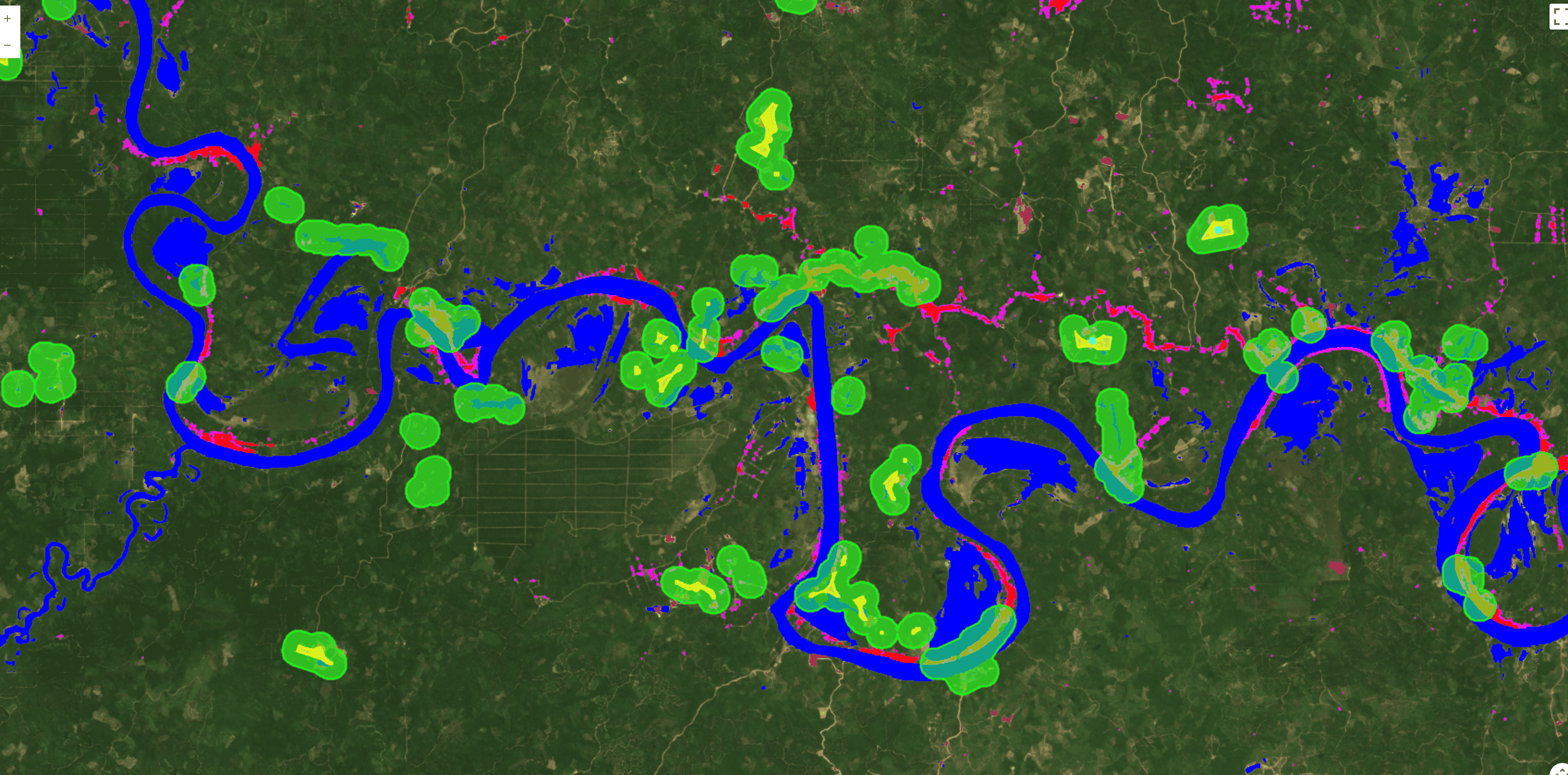
The first mile of global supply chains remains one of the most challenging and least understood segments.

Earlier this week, SBTi released an "initial consultation" document with proposed revisions to the Corporate Net Zero Standard. This is an important document because SBTi net-zero pledges cover 92% of global GDP.

We have always contended that successful insetting programs must create short-term tangible value for the customer to be sustainable and resilient across economic cycles.

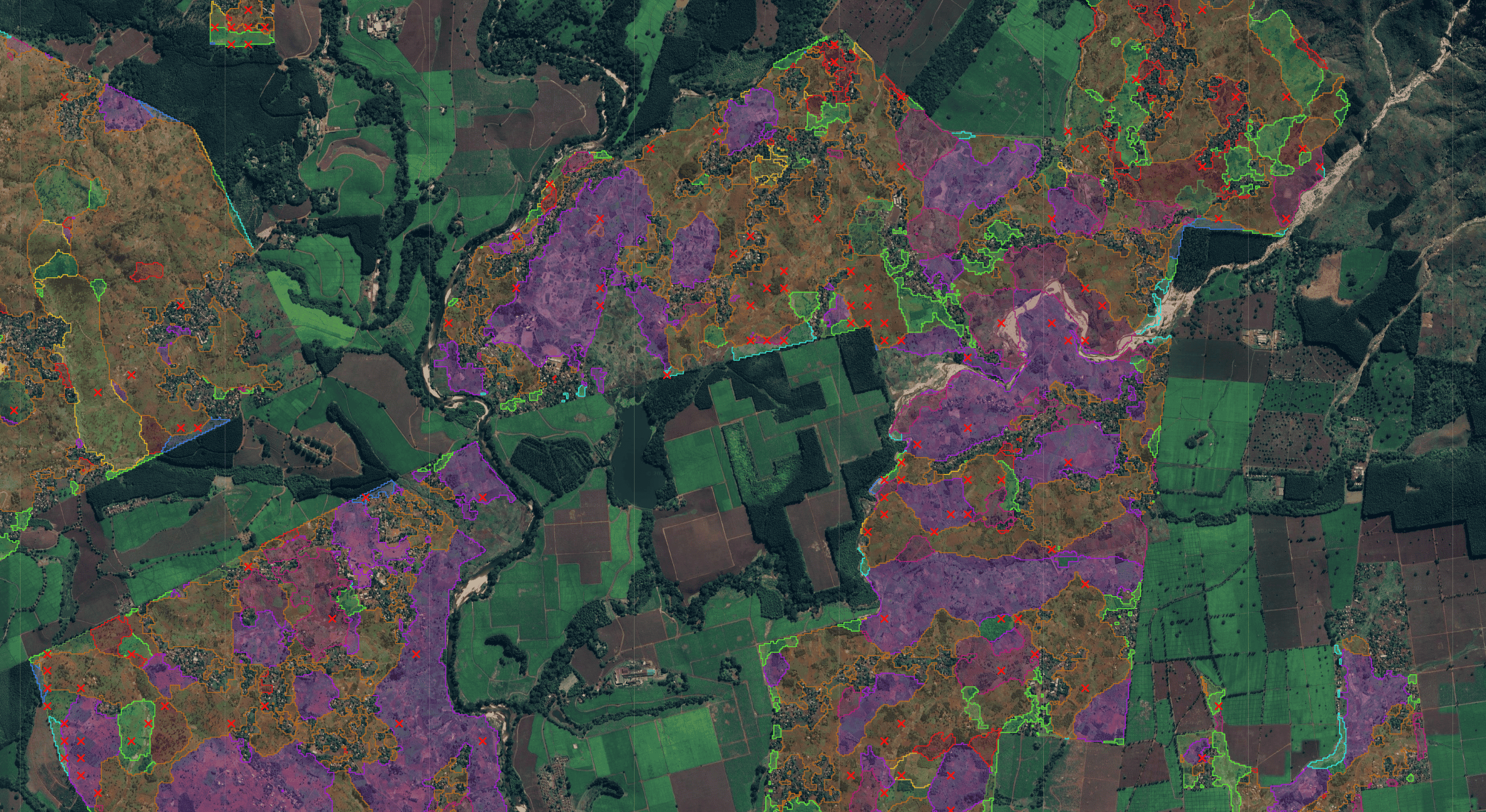
The global food system drives major environmental harm, but impact is highly concentrated. Epoch’s first-mile mapping shows the bottom 5% of producers cause most deforestation and emissions—proving targeted, plot-level action beats broad sustainability programs.
In today's rapidly evolving global economy, companies face unprecedented scrutiny over the origins and environmental impact of their products. A new standard has been set—at the heart of this shift is one key principle: "Know Your Supplier" (KYS).
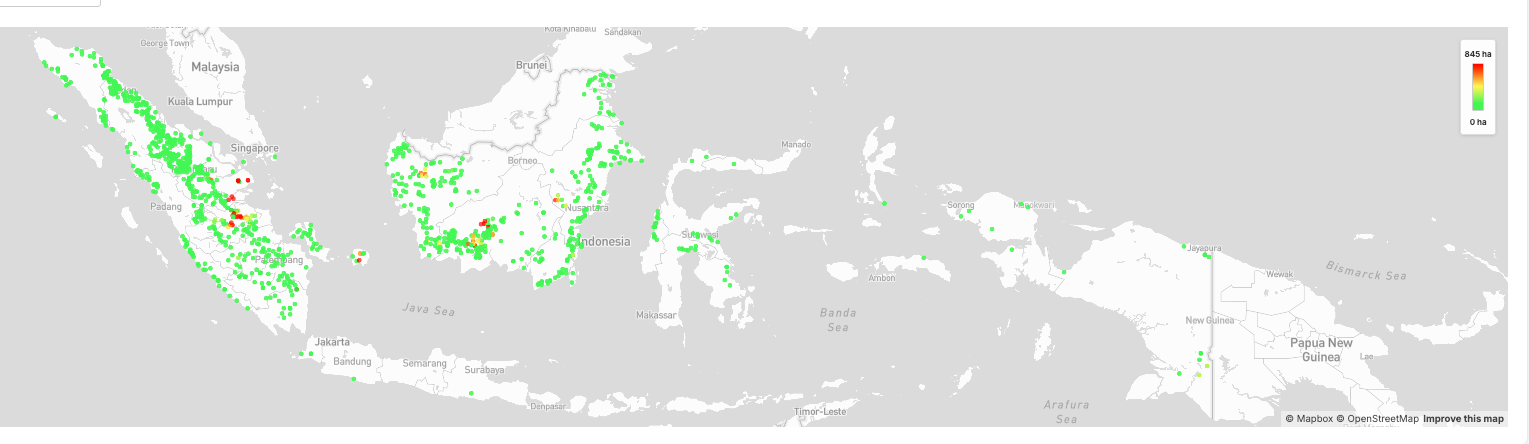
The world of commodity supply chains is undergoing a rapid transformation. For decades, as a commodity producer, you have been a price-taker, operating with limited relationships, little data ownership, and minimal ability to differentiate your product.

Supply chain resilience has never been more critical. As the frequency of extreme weather events increases, transitioning from generic emissions factors to granular, supplier-specific data is the biggest game changer you can make.

The first mile of global supply chains remains one of the most challenging and least understood segments.

Earlier this week, SBTi released an "initial consultation" document with proposed revisions to the Corporate Net Zero Standard. This is an important document because SBTi net-zero pledges cover 92% of global GDP.

We have always contended that successful insetting programs must create short-term tangible value for the customer to be sustainable and resilient across economic cycles.

The global food system drives major environmental harm, but impact is highly concentrated. Epoch’s first-mile mapping shows the bottom 5% of producers cause most deforestation and emissions—proving targeted, plot-level action beats broad sustainability programs.

In today's rapidly evolving global economy, companies face unprecedented scrutiny over the origins and environmental impact of their products. A new standard has been set—at the heart of this shift is one key principle: "Know Your Supplier" (KYS).

The world of commodity supply chains is undergoing a rapid transformation. For decades, as a commodity producer, you have been a price-taker, operating with limited relationships, little data ownership, and minimal ability to differentiate your product.

Supply chain resilience has never been more critical. As the frequency of extreme weather events increases, transitioning from generic emissions factors to granular, supplier-specific data is the biggest game changer you can make.

The first mile of global supply chains remains one of the most challenging and least understood segments.

Earlier this week, SBTi released an "initial consultation" document with proposed revisions to the Corporate Net Zero Standard. This is an important document because SBTi net-zero pledges cover 92% of global GDP.

We have always contended that successful insetting programs must create short-term tangible value for the customer to be sustainable and resilient across economic cycles.

The global food system drives major environmental harm, but impact is highly concentrated. Epoch’s first-mile mapping shows the bottom 5% of producers cause most deforestation and emissions—proving targeted, plot-level action beats broad sustainability programs.

In today's rapidly evolving global economy, companies face unprecedented scrutiny over the origins and environmental impact of their products. A new standard has been set—at the heart of this shift is one key principle: "Know Your Supplier" (KYS).

The world of commodity supply chains is undergoing a rapid transformation. For decades, as a commodity producer, you have been a price-taker, operating with limited relationships, little data ownership, and minimal ability to differentiate your product.

Supply chain resilience has never been more critical. As the frequency of extreme weather events increases, transitioning from generic emissions factors to granular, supplier-specific data is the biggest game changer you can make.

The first mile of global supply chains remains one of the most challenging and least understood segments.

Earlier this week, SBTi released an "initial consultation" document with proposed revisions to the Corporate Net Zero Standard. This is an important document because SBTi net-zero pledges cover 92% of global GDP.

We have always contended that successful insetting programs must create short-term tangible value for the customer to be sustainable and resilient across economic cycles.

The global food system drives major environmental harm, but impact is highly concentrated. Epoch’s first-mile mapping shows the bottom 5% of producers cause most deforestation and emissions—proving targeted, plot-level action beats broad sustainability programs.

In today's rapidly evolving global economy, companies face unprecedented scrutiny over the origins and environmental impact of their products. A new standard has been set—at the heart of this shift is one key principle: "Know Your Supplier" (KYS).

The world of commodity supply chains is undergoing a rapid transformation. For decades, as a commodity producer, you have been a price-taker, operating with limited relationships, little data ownership, and minimal ability to differentiate your product.

Supply chain resilience has never been more critical. As the frequency of extreme weather events increases, transitioning from generic emissions factors to granular, supplier-specific data is the biggest game changer you can make.

The first mile of global supply chains remains one of the most challenging and least understood segments.

Earlier this week, SBTi released an "initial consultation" document with proposed revisions to the Corporate Net Zero Standard. This is an important document because SBTi net-zero pledges cover 92% of global GDP.

We have always contended that successful insetting programs must create short-term tangible value for the customer to be sustainable and resilient across economic cycles.

The global food system drives major environmental harm, but impact is highly concentrated. Epoch’s first-mile mapping shows the bottom 5% of producers cause most deforestation and emissions—proving targeted, plot-level action beats broad sustainability programs.

In today's rapidly evolving global economy, companies face unprecedented scrutiny over the origins and environmental impact of their products. A new standard has been set—at the heart of this shift is one key principle: "Know Your Supplier" (KYS).

The world of commodity supply chains is undergoing a rapid transformation. For decades, as a commodity producer, you have been a price-taker, operating with limited relationships, little data ownership, and minimal ability to differentiate your product.

Supply chain resilience has never been more critical. As the frequency of extreme weather events increases, transitioning from generic emissions factors to granular, supplier-specific data is the biggest game changer you can make.

The first mile of global supply chains remains one of the most challenging and least understood segments.

Earlier this week, SBTi released an "initial consultation" document with proposed revisions to the Corporate Net Zero Standard. This is an important document because SBTi net-zero pledges cover 92% of global GDP.

We have always contended that successful insetting programs must create short-term tangible value for the customer to be sustainable and resilient across economic cycles.

The global food system drives major environmental harm, but impact is highly concentrated. Epoch’s first-mile mapping shows the bottom 5% of producers cause most deforestation and emissions—proving targeted, plot-level action beats broad sustainability programs.

In today's rapidly evolving global economy, companies face unprecedented scrutiny over the origins and environmental impact of their products. A new standard has been set—at the heart of this shift is one key principle: "Know Your Supplier" (KYS).

The world of commodity supply chains is undergoing a rapid transformation. For decades, as a commodity producer, you have been a price-taker, operating with limited relationships, little data ownership, and minimal ability to differentiate your product.

Supply chain resilience has never been more critical. As the frequency of extreme weather events increases, transitioning from generic emissions factors to granular, supplier-specific data is the biggest game changer you can make.

The first mile of global supply chains remains one of the most challenging and least understood segments.

Earlier this week, SBTi released an "initial consultation" document with proposed revisions to the Corporate Net Zero Standard. This is an important document because SBTi net-zero pledges cover 92% of global GDP.

We have always contended that successful insetting programs must create short-term tangible value for the customer to be sustainable and resilient across economic cycles.

The global food system drives major environmental harm, but impact is highly concentrated. Epoch’s first-mile mapping shows the bottom 5% of producers cause most deforestation and emissions—proving targeted, plot-level action beats broad sustainability programs.

In today's rapidly evolving global economy, companies face unprecedented scrutiny over the origins and environmental impact of their products. A new standard has been set—at the heart of this shift is one key principle: "Know Your Supplier" (KYS).

The world of commodity supply chains is undergoing a rapid transformation. For decades, as a commodity producer, you have been a price-taker, operating with limited relationships, little data ownership, and minimal ability to differentiate your product.

Supply chain resilience has never been more critical. As the frequency of extreme weather events increases, transitioning from generic emissions factors to granular, supplier-specific data is the biggest game changer you can make.

The first mile of global supply chains remains one of the most challenging and least understood segments.

Earlier this week, SBTi released an "initial consultation" document with proposed revisions to the Corporate Net Zero Standard. This is an important document because SBTi net-zero pledges cover 92% of global GDP.

We have always contended that successful insetting programs must create short-term tangible value for the customer to be sustainable and resilient across economic cycles.

The global food system drives major environmental harm, but impact is highly concentrated. Epoch’s first-mile mapping shows the bottom 5% of producers cause most deforestation and emissions—proving targeted, plot-level action beats broad sustainability programs.

In today's rapidly evolving global economy, companies face unprecedented scrutiny over the origins and environmental impact of their products. A new standard has been set—at the heart of this shift is one key principle: "Know Your Supplier" (KYS).

The world of commodity supply chains is undergoing a rapid transformation. For decades, as a commodity producer, you have been a price-taker, operating with limited relationships, little data ownership, and minimal ability to differentiate your product.

Supply chain resilience has never been more critical. As the frequency of extreme weather events increases, transitioning from generic emissions factors to granular, supplier-specific data is the biggest game changer you can make.

The first mile of global supply chains remains one of the most challenging and least understood segments.

Earlier this week, SBTi released an "initial consultation" document with proposed revisions to the Corporate Net Zero Standard. This is an important document because SBTi net-zero pledges cover 92% of global GDP.

We have always contended that successful insetting programs must create short-term tangible value for the customer to be sustainable and resilient across economic cycles.

The global food system drives major environmental harm, but impact is highly concentrated. Epoch’s first-mile mapping shows the bottom 5% of producers cause most deforestation and emissions—proving targeted, plot-level action beats broad sustainability programs.

In today's rapidly evolving global economy, companies face unprecedented scrutiny over the origins and environmental impact of their products. A new standard has been set—at the heart of this shift is one key principle: "Know Your Supplier" (KYS).

The world of commodity supply chains is undergoing a rapid transformation. For decades, as a commodity producer, you have been a price-taker, operating with limited relationships, little data ownership, and minimal ability to differentiate your product.

Supply chain resilience has never been more critical. As the frequency of extreme weather events increases, transitioning from generic emissions factors to granular, supplier-specific data is the biggest game changer you can make.

The first mile of global supply chains remains one of the most challenging and least understood segments.

Earlier this week, SBTi released an "initial consultation" document with proposed revisions to the Corporate Net Zero Standard. This is an important document because SBTi net-zero pledges cover 92% of global GDP.

We have always contended that successful insetting programs must create short-term tangible value for the customer to be sustainable and resilient across economic cycles.

The global food system drives major environmental harm, but impact is highly concentrated. Epoch’s first-mile mapping shows the bottom 5% of producers cause most deforestation and emissions—proving targeted, plot-level action beats broad sustainability programs.

In today's rapidly evolving global economy, companies face unprecedented scrutiny over the origins and environmental impact of their products. A new standard has been set—at the heart of this shift is one key principle: "Know Your Supplier" (KYS).

The world of commodity supply chains is undergoing a rapid transformation. For decades, as a commodity producer, you have been a price-taker, operating with limited relationships, little data ownership, and minimal ability to differentiate your product.

Supply chain resilience has never been more critical. As the frequency of extreme weather events increases, transitioning from generic emissions factors to granular, supplier-specific data is the biggest game changer you can make.

The first mile of global supply chains remains one of the most challenging and least understood segments.

Earlier this week, SBTi released an "initial consultation" document with proposed revisions to the Corporate Net Zero Standard. This is an important document because SBTi net-zero pledges cover 92% of global GDP.

We have always contended that successful insetting programs must create short-term tangible value for the customer to be sustainable and resilient across economic cycles.

The global food system drives major environmental harm, but impact is highly concentrated. Epoch’s first-mile mapping shows the bottom 5% of producers cause most deforestation and emissions—proving targeted, plot-level action beats broad sustainability programs.

In today's rapidly evolving global economy, companies face unprecedented scrutiny over the origins and environmental impact of their products. A new standard has been set—at the heart of this shift is one key principle: "Know Your Supplier" (KYS).

The world of commodity supply chains is undergoing a rapid transformation. For decades, as a commodity producer, you have been a price-taker, operating with limited relationships, little data ownership, and minimal ability to differentiate your product.

Supply chain resilience has never been more critical. As the frequency of extreme weather events increases, transitioning from generic emissions factors to granular, supplier-specific data is the biggest game changer you can make.

The first mile of global supply chains remains one of the most challenging and least understood segments.

Earlier this week, SBTi released an "initial consultation" document with proposed revisions to the Corporate Net Zero Standard. This is an important document because SBTi net-zero pledges cover 92% of global GDP.

We have always contended that successful insetting programs must create short-term tangible value for the customer to be sustainable and resilient across economic cycles.

The global food system drives major environmental harm, but impact is highly concentrated. Epoch’s first-mile mapping shows the bottom 5% of producers cause most deforestation and emissions—proving targeted, plot-level action beats broad sustainability programs.

In today's rapidly evolving global economy, companies face unprecedented scrutiny over the origins and environmental impact of their products. A new standard has been set—at the heart of this shift is one key principle: "Know Your Supplier" (KYS).

The world of commodity supply chains is undergoing a rapid transformation. For decades, as a commodity producer, you have been a price-taker, operating with limited relationships, little data ownership, and minimal ability to differentiate your product.

Supply chain resilience has never been more critical. As the frequency of extreme weather events increases, transitioning from generic emissions factors to granular, supplier-specific data is the biggest game changer you can make.

The first mile of global supply chains remains one of the most challenging and least understood segments.

Earlier this week, SBTi released an "initial consultation" document with proposed revisions to the Corporate Net Zero Standard. This is an important document because SBTi net-zero pledges cover 92% of global GDP.

We have always contended that successful insetting programs must create short-term tangible value for the customer to be sustainable and resilient across economic cycles.

The global food system drives major environmental harm, but impact is highly concentrated. Epoch’s first-mile mapping shows the bottom 5% of producers cause most deforestation and emissions—proving targeted, plot-level action beats broad sustainability programs.

In today's rapidly evolving global economy, companies face unprecedented scrutiny over the origins and environmental impact of their products. A new standard has been set—at the heart of this shift is one key principle: "Know Your Supplier" (KYS).

The world of commodity supply chains is undergoing a rapid transformation. For decades, as a commodity producer, you have been a price-taker, operating with limited relationships, little data ownership, and minimal ability to differentiate your product.

Supply chain resilience has never been more critical. As the frequency of extreme weather events increases, transitioning from generic emissions factors to granular, supplier-specific data is the biggest game changer you can make.

The first mile of global supply chains remains one of the most challenging and least understood segments.

Earlier this week, SBTi released an "initial consultation" document with proposed revisions to the Corporate Net Zero Standard. This is an important document because SBTi net-zero pledges cover 92% of global GDP.

We have always contended that successful insetting programs must create short-term tangible value for the customer to be sustainable and resilient across economic cycles.

The global food system drives major environmental harm, but impact is highly concentrated. Epoch’s first-mile mapping shows the bottom 5% of producers cause most deforestation and emissions—proving targeted, plot-level action beats broad sustainability programs.

In today's rapidly evolving global economy, companies face unprecedented scrutiny over the origins and environmental impact of their products. A new standard has been set—at the heart of this shift is one key principle: "Know Your Supplier" (KYS).

The world of commodity supply chains is undergoing a rapid transformation. For decades, as a commodity producer, you have been a price-taker, operating with limited relationships, little data ownership, and minimal ability to differentiate your product.

Supply chain resilience has never been more critical. As the frequency of extreme weather events increases, transitioning from generic emissions factors to granular, supplier-specific data is the biggest game changer you can make.

The first mile of global supply chains remains one of the most challenging and least understood segments.

Earlier this week, SBTi released an "initial consultation" document with proposed revisions to the Corporate Net Zero Standard. This is an important document because SBTi net-zero pledges cover 92% of global GDP.

We have always contended that successful insetting programs must create short-term tangible value for the customer to be sustainable and resilient across economic cycles.

The global food system drives major environmental harm, but impact is highly concentrated. Epoch’s first-mile mapping shows the bottom 5% of producers cause most deforestation and emissions—proving targeted, plot-level action beats broad sustainability programs.

In today's rapidly evolving global economy, companies face unprecedented scrutiny over the origins and environmental impact of their products. A new standard has been set—at the heart of this shift is one key principle: "Know Your Supplier" (KYS).

The world of commodity supply chains is undergoing a rapid transformation. For decades, as a commodity producer, you have been a price-taker, operating with limited relationships, little data ownership, and minimal ability to differentiate your product.

Supply chain resilience has never been more critical. As the frequency of extreme weather events increases, transitioning from generic emissions factors to granular, supplier-specific data is the biggest game changer you can make.

The first mile of global supply chains remains one of the most challenging and least understood segments.

Earlier this week, SBTi released an "initial consultation" document with proposed revisions to the Corporate Net Zero Standard. This is an important document because SBTi net-zero pledges cover 92% of global GDP.

We have always contended that successful insetting programs must create short-term tangible value for the customer to be sustainable and resilient across economic cycles.

The global food system drives major environmental harm, but impact is highly concentrated. Epoch’s first-mile mapping shows the bottom 5% of producers cause most deforestation and emissions—proving targeted, plot-level action beats broad sustainability programs.

In today's rapidly evolving global economy, companies face unprecedented scrutiny over the origins and environmental impact of their products. A new standard has been set—at the heart of this shift is one key principle: "Know Your Supplier" (KYS).

The world of commodity supply chains is undergoing a rapid transformation. For decades, as a commodity producer, you have been a price-taker, operating with limited relationships, little data ownership, and minimal ability to differentiate your product.

Supply chain resilience has never been more critical. As the frequency of extreme weather events increases, transitioning from generic emissions factors to granular, supplier-specific data is the biggest game changer you can make.

The first mile of global supply chains remains one of the most challenging and least understood segments.

Earlier this week, SBTi released an "initial consultation" document with proposed revisions to the Corporate Net Zero Standard. This is an important document because SBTi net-zero pledges cover 92% of global GDP.

We have always contended that successful insetting programs must create short-term tangible value for the customer to be sustainable and resilient across economic cycles.

The global food system drives major environmental harm, but impact is highly concentrated. Epoch’s first-mile mapping shows the bottom 5% of producers cause most deforestation and emissions—proving targeted, plot-level action beats broad sustainability programs.

In today's rapidly evolving global economy, companies face unprecedented scrutiny over the origins and environmental impact of their products. A new standard has been set—at the heart of this shift is one key principle: "Know Your Supplier" (KYS).

The world of commodity supply chains is undergoing a rapid transformation. For decades, as a commodity producer, you have been a price-taker, operating with limited relationships, little data ownership, and minimal ability to differentiate your product.

Supply chain resilience has never been more critical. As the frequency of extreme weather events increases, transitioning from generic emissions factors to granular, supplier-specific data is the biggest game changer you can make.

The first mile of global supply chains remains one of the most challenging and least understood segments.

Earlier this week, SBTi released an "initial consultation" document with proposed revisions to the Corporate Net Zero Standard. This is an important document because SBTi net-zero pledges cover 92% of global GDP.

We have always contended that successful insetting programs must create short-term tangible value for the customer to be sustainable and resilient across economic cycles.

The global food system drives major environmental harm, but impact is highly concentrated. Epoch’s first-mile mapping shows the bottom 5% of producers cause most deforestation and emissions—proving targeted, plot-level action beats broad sustainability programs.

In today's rapidly evolving global economy, companies face unprecedented scrutiny over the origins and environmental impact of their products. A new standard has been set—at the heart of this shift is one key principle: "Know Your Supplier" (KYS).

The world of commodity supply chains is undergoing a rapid transformation. For decades, as a commodity producer, you have been a price-taker, operating with limited relationships, little data ownership, and minimal ability to differentiate your product.

Supply chain resilience has never been more critical. As the frequency of extreme weather events increases, transitioning from generic emissions factors to granular, supplier-specific data is the biggest game changer you can make.

The first mile of global supply chains remains one of the most challenging and least understood segments.

Earlier this week, SBTi released an "initial consultation" document with proposed revisions to the Corporate Net Zero Standard. This is an important document because SBTi net-zero pledges cover 92% of global GDP.

We have always contended that successful insetting programs must create short-term tangible value for the customer to be sustainable and resilient across economic cycles.

The global food system drives major environmental harm, but impact is highly concentrated. Epoch’s first-mile mapping shows the bottom 5% of producers cause most deforestation and emissions—proving targeted, plot-level action beats broad sustainability programs.

In today's rapidly evolving global economy, companies face unprecedented scrutiny over the origins and environmental impact of their products. A new standard has been set—at the heart of this shift is one key principle: "Know Your Supplier" (KYS).

The world of commodity supply chains is undergoing a rapid transformation. For decades, as a commodity producer, you have been a price-taker, operating with limited relationships, little data ownership, and minimal ability to differentiate your product.

Supply chain resilience has never been more critical. As the frequency of extreme weather events increases, transitioning from generic emissions factors to granular, supplier-specific data is the biggest game changer you can make.

The first mile of global supply chains remains one of the most challenging and least understood segments.

Earlier this week, SBTi released an "initial consultation" document with proposed revisions to the Corporate Net Zero Standard. This is an important document because SBTi net-zero pledges cover 92% of global GDP.

We have always contended that successful insetting programs must create short-term tangible value for the customer to be sustainable and resilient across economic cycles.

The global food system drives major environmental harm, but impact is highly concentrated. Epoch’s first-mile mapping shows the bottom 5% of producers cause most deforestation and emissions—proving targeted, plot-level action beats broad sustainability programs.

In today's rapidly evolving global economy, companies face unprecedented scrutiny over the origins and environmental impact of their products. A new standard has been set—at the heart of this shift is one key principle: "Know Your Supplier" (KYS).

The world of commodity supply chains is undergoing a rapid transformation. For decades, as a commodity producer, you have been a price-taker, operating with limited relationships, little data ownership, and minimal ability to differentiate your product.

Supply chain resilience has never been more critical. As the frequency of extreme weather events increases, transitioning from generic emissions factors to granular, supplier-specific data is the biggest game changer you can make.

The first mile of global supply chains remains one of the most challenging and least understood segments.

Earlier this week, SBTi released an "initial consultation" document with proposed revisions to the Corporate Net Zero Standard. This is an important document because SBTi net-zero pledges cover 92% of global GDP.

We have always contended that successful insetting programs must create short-term tangible value for the customer to be sustainable and resilient across economic cycles.

The global food system drives major environmental harm, but impact is highly concentrated. Epoch’s first-mile mapping shows the bottom 5% of producers cause most deforestation and emissions—proving targeted, plot-level action beats broad sustainability programs.

In today's rapidly evolving global economy, companies face unprecedented scrutiny over the origins and environmental impact of their products. A new standard has been set—at the heart of this shift is one key principle: "Know Your Supplier" (KYS).

The world of commodity supply chains is undergoing a rapid transformation. For decades, as a commodity producer, you have been a price-taker, operating with limited relationships, little data ownership, and minimal ability to differentiate your product.

Supply chain resilience has never been more critical. As the frequency of extreme weather events increases, transitioning from generic emissions factors to granular, supplier-specific data is the biggest game changer you can make.

The first mile of global supply chains remains one of the most challenging and least understood segments.

Earlier this week, SBTi released an "initial consultation" document with proposed revisions to the Corporate Net Zero Standard. This is an important document because SBTi net-zero pledges cover 92% of global GDP.

We have always contended that successful insetting programs must create short-term tangible value for the customer to be sustainable and resilient across economic cycles.

The global food system drives major environmental harm, but impact is highly concentrated. Epoch’s first-mile mapping shows the bottom 5% of producers cause most deforestation and emissions—proving targeted, plot-level action beats broad sustainability programs.

In today's rapidly evolving global economy, companies face unprecedented scrutiny over the origins and environmental impact of their products. A new standard has been set—at the heart of this shift is one key principle: "Know Your Supplier" (KYS).

The world of commodity supply chains is undergoing a rapid transformation. For decades, as a commodity producer, you have been a price-taker, operating with limited relationships, little data ownership, and minimal ability to differentiate your product.

Supply chain resilience has never been more critical. As the frequency of extreme weather events increases, transitioning from generic emissions factors to granular, supplier-specific data is the biggest game changer you can make.

The first mile of global supply chains remains one of the most challenging and least understood segments.

Earlier this week, SBTi released an "initial consultation" document with proposed revisions to the Corporate Net Zero Standard. This is an important document because SBTi net-zero pledges cover 92% of global GDP.

We have always contended that successful insetting programs must create short-term tangible value for the customer to be sustainable and resilient across economic cycles.

The global food system drives major environmental harm, but impact is highly concentrated. Epoch’s first-mile mapping shows the bottom 5% of producers cause most deforestation and emissions—proving targeted, plot-level action beats broad sustainability programs.

In today's rapidly evolving global economy, companies face unprecedented scrutiny over the origins and environmental impact of their products. A new standard has been set—at the heart of this shift is one key principle: "Know Your Supplier" (KYS).

The world of commodity supply chains is undergoing a rapid transformation. For decades, as a commodity producer, you have been a price-taker, operating with limited relationships, little data ownership, and minimal ability to differentiate your product.

Supply chain resilience has never been more critical. As the frequency of extreme weather events increases, transitioning from generic emissions factors to granular, supplier-specific data is the biggest game changer you can make.

The first mile of global supply chains remains one of the most challenging and least understood segments.

Earlier this week, SBTi released an "initial consultation" document with proposed revisions to the Corporate Net Zero Standard. This is an important document because SBTi net-zero pledges cover 92% of global GDP.

We have always contended that successful insetting programs must create short-term tangible value for the customer to be sustainable and resilient across economic cycles.

The global food system drives major environmental harm, but impact is highly concentrated. Epoch’s first-mile mapping shows the bottom 5% of producers cause most deforestation and emissions—proving targeted, plot-level action beats broad sustainability programs.

In today's rapidly evolving global economy, companies face unprecedented scrutiny over the origins and environmental impact of their products. A new standard has been set—at the heart of this shift is one key principle: "Know Your Supplier" (KYS).

The world of commodity supply chains is undergoing a rapid transformation. For decades, as a commodity producer, you have been a price-taker, operating with limited relationships, little data ownership, and minimal ability to differentiate your product.

Supply chain resilience has never been more critical. As the frequency of extreme weather events increases, transitioning from generic emissions factors to granular, supplier-specific data is the biggest game changer you can make.

The first mile of global supply chains remains one of the most challenging and least understood segments.

Earlier this week, SBTi released an "initial consultation" document with proposed revisions to the Corporate Net Zero Standard. This is an important document because SBTi net-zero pledges cover 92% of global GDP.

We have always contended that successful insetting programs must create short-term tangible value for the customer to be sustainable and resilient across economic cycles.

The global food system drives major environmental harm, but impact is highly concentrated. Epoch’s first-mile mapping shows the bottom 5% of producers cause most deforestation and emissions—proving targeted, plot-level action beats broad sustainability programs.

In today's rapidly evolving global economy, companies face unprecedented scrutiny over the origins and environmental impact of their products. A new standard has been set—at the heart of this shift is one key principle: "Know Your Supplier" (KYS).

The world of commodity supply chains is undergoing a rapid transformation. For decades, as a commodity producer, you have been a price-taker, operating with limited relationships, little data ownership, and minimal ability to differentiate your product.

Supply chain resilience has never been more critical. As the frequency of extreme weather events increases, transitioning from generic emissions factors to granular, supplier-specific data is the biggest game changer you can make.

The first mile of global supply chains remains one of the most challenging and least understood segments.

Earlier this week, SBTi released an "initial consultation" document with proposed revisions to the Corporate Net Zero Standard. This is an important document because SBTi net-zero pledges cover 92% of global GDP.

We have always contended that successful insetting programs must create short-term tangible value for the customer to be sustainable and resilient across economic cycles.

The global food system drives major environmental harm, but impact is highly concentrated. Epoch’s first-mile mapping shows the bottom 5% of producers cause most deforestation and emissions—proving targeted, plot-level action beats broad sustainability programs.

In today's rapidly evolving global economy, companies face unprecedented scrutiny over the origins and environmental impact of their products. A new standard has been set—at the heart of this shift is one key principle: "Know Your Supplier" (KYS).

The world of commodity supply chains is undergoing a rapid transformation. For decades, as a commodity producer, you have been a price-taker, operating with limited relationships, little data ownership, and minimal ability to differentiate your product.

Supply chain resilience has never been more critical. As the frequency of extreme weather events increases, transitioning from generic emissions factors to granular, supplier-specific data is the biggest game changer you can make.

The first mile of global supply chains remains one of the most challenging and least understood segments.

Earlier this week, SBTi released an "initial consultation" document with proposed revisions to the Corporate Net Zero Standard. This is an important document because SBTi net-zero pledges cover 92% of global GDP.

We have always contended that successful insetting programs must create short-term tangible value for the customer to be sustainable and resilient across economic cycles.

The global food system drives major environmental harm, but impact is highly concentrated. Epoch’s first-mile mapping shows the bottom 5% of producers cause most deforestation and emissions—proving targeted, plot-level action beats broad sustainability programs.

In today's rapidly evolving global economy, companies face unprecedented scrutiny over the origins and environmental impact of their products. A new standard has been set—at the heart of this shift is one key principle: "Know Your Supplier" (KYS).

The world of commodity supply chains is undergoing a rapid transformation. For decades, as a commodity producer, you have been a price-taker, operating with limited relationships, little data ownership, and minimal ability to differentiate your product.

Supply chain resilience has never been more critical. As the frequency of extreme weather events increases, transitioning from generic emissions factors to granular, supplier-specific data is the biggest game changer you can make.

The first mile of global supply chains remains one of the most challenging and least understood segments.

Earlier this week, SBTi released an "initial consultation" document with proposed revisions to the Corporate Net Zero Standard. This is an important document because SBTi net-zero pledges cover 92% of global GDP.

We have always contended that successful insetting programs must create short-term tangible value for the customer to be sustainable and resilient across economic cycles.

The global food system drives major environmental harm, but impact is highly concentrated. Epoch’s first-mile mapping shows the bottom 5% of producers cause most deforestation and emissions—proving targeted, plot-level action beats broad sustainability programs.

In today's rapidly evolving global economy, companies face unprecedented scrutiny over the origins and environmental impact of their products. A new standard has been set—at the heart of this shift is one key principle: "Know Your Supplier" (KYS).

The world of commodity supply chains is undergoing a rapid transformation. For decades, as a commodity producer, you have been a price-taker, operating with limited relationships, little data ownership, and minimal ability to differentiate your product.

Supply chain resilience has never been more critical. As the frequency of extreme weather events increases, transitioning from generic emissions factors to granular, supplier-specific data is the biggest game changer you can make.

The first mile of global supply chains remains one of the most challenging and least understood segments.

Earlier this week, SBTi released an "initial consultation" document with proposed revisions to the Corporate Net Zero Standard. This is an important document because SBTi net-zero pledges cover 92% of global GDP.

We have always contended that successful insetting programs must create short-term tangible value for the customer to be sustainable and resilient across economic cycles.

The global food system drives major environmental harm, but impact is highly concentrated. Epoch’s first-mile mapping shows the bottom 5% of producers cause most deforestation and emissions—proving targeted, plot-level action beats broad sustainability programs.

In today's rapidly evolving global economy, companies face unprecedented scrutiny over the origins and environmental impact of their products. A new standard has been set—at the heart of this shift is one key principle: "Know Your Supplier" (KYS).

The world of commodity supply chains is undergoing a rapid transformation. For decades, as a commodity producer, you have been a price-taker, operating with limited relationships, little data ownership, and minimal ability to differentiate your product.

Supply chain resilience has never been more critical. As the frequency of extreme weather events increases, transitioning from generic emissions factors to granular, supplier-specific data is the biggest game changer you can make.

The first mile of global supply chains remains one of the most challenging and least understood segments.

Earlier this week, SBTi released an "initial consultation" document with proposed revisions to the Corporate Net Zero Standard. This is an important document because SBTi net-zero pledges cover 92% of global GDP.

We have always contended that successful insetting programs must create short-term tangible value for the customer to be sustainable and resilient across economic cycles.

The global food system drives major environmental harm, but impact is highly concentrated. Epoch’s first-mile mapping shows the bottom 5% of producers cause most deforestation and emissions—proving targeted, plot-level action beats broad sustainability programs.

In today's rapidly evolving global economy, companies face unprecedented scrutiny over the origins and environmental impact of their products. A new standard has been set—at the heart of this shift is one key principle: "Know Your Supplier" (KYS).

The world of commodity supply chains is undergoing a rapid transformation. For decades, as a commodity producer, you have been a price-taker, operating with limited relationships, little data ownership, and minimal ability to differentiate your product.

Supply chain resilience has never been more critical. As the frequency of extreme weather events increases, transitioning from generic emissions factors to granular, supplier-specific data is the biggest game changer you can make.

The first mile of global supply chains remains one of the most challenging and least understood segments.

Earlier this week, SBTi released an "initial consultation" document with proposed revisions to the Corporate Net Zero Standard. This is an important document because SBTi net-zero pledges cover 92% of global GDP.

We have always contended that successful insetting programs must create short-term tangible value for the customer to be sustainable and resilient across economic cycles.

The global food system drives major environmental harm, but impact is highly concentrated. Epoch’s first-mile mapping shows the bottom 5% of producers cause most deforestation and emissions—proving targeted, plot-level action beats broad sustainability programs.

In today's rapidly evolving global economy, companies face unprecedented scrutiny over the origins and environmental impact of their products. A new standard has been set—at the heart of this shift is one key principle: "Know Your Supplier" (KYS).

The world of commodity supply chains is undergoing a rapid transformation. For decades, as a commodity producer, you have been a price-taker, operating with limited relationships, little data ownership, and minimal ability to differentiate your product.

Supply chain resilience has never been more critical. As the frequency of extreme weather events increases, transitioning from generic emissions factors to granular, supplier-specific data is the biggest game changer you can make.

The first mile of global supply chains remains one of the most challenging and least understood segments.

Earlier this week, SBTi released an "initial consultation" document with proposed revisions to the Corporate Net Zero Standard. This is an important document because SBTi net-zero pledges cover 92% of global GDP.

We have always contended that successful insetting programs must create short-term tangible value for the customer to be sustainable and resilient across economic cycles.

The global food system drives major environmental harm, but impact is highly concentrated. Epoch’s first-mile mapping shows the bottom 5% of producers cause most deforestation and emissions—proving targeted, plot-level action beats broad sustainability programs.

In today's rapidly evolving global economy, companies face unprecedented scrutiny over the origins and environmental impact of their products. A new standard has been set—at the heart of this shift is one key principle: "Know Your Supplier" (KYS).

The world of commodity supply chains is undergoing a rapid transformation. For decades, as a commodity producer, you have been a price-taker, operating with limited relationships, little data ownership, and minimal ability to differentiate your product.

Supply chain resilience has never been more critical. As the frequency of extreme weather events increases, transitioning from generic emissions factors to granular, supplier-specific data is the biggest game changer you can make.

The first mile of global supply chains remains one of the most challenging and least understood segments.

Earlier this week, SBTi released an "initial consultation" document with proposed revisions to the Corporate Net Zero Standard. This is an important document because SBTi net-zero pledges cover 92% of global GDP.

We have always contended that successful insetting programs must create short-term tangible value for the customer to be sustainable and resilient across economic cycles.

The global food system drives major environmental harm, but impact is highly concentrated. Epoch’s first-mile mapping shows the bottom 5% of producers cause most deforestation and emissions—proving targeted, plot-level action beats broad sustainability programs.

In today's rapidly evolving global economy, companies face unprecedented scrutiny over the origins and environmental impact of their products. A new standard has been set—at the heart of this shift is one key principle: "Know Your Supplier" (KYS).

The world of commodity supply chains is undergoing a rapid transformation. For decades, as a commodity producer, you have been a price-taker, operating with limited relationships, little data ownership, and minimal ability to differentiate your product.

Supply chain resilience has never been more critical. As the frequency of extreme weather events increases, transitioning from generic emissions factors to granular, supplier-specific data is the biggest game changer you can make.

The first mile of global supply chains remains one of the most challenging and least understood segments.

Earlier this week, SBTi released an "initial consultation" document with proposed revisions to the Corporate Net Zero Standard. This is an important document because SBTi net-zero pledges cover 92% of global GDP.

We have always contended that successful insetting programs must create short-term tangible value for the customer to be sustainable and resilient across economic cycles.

The global food system drives major environmental harm, but impact is highly concentrated. Epoch’s first-mile mapping shows the bottom 5% of producers cause most deforestation and emissions—proving targeted, plot-level action beats broad sustainability programs.

In today's rapidly evolving global economy, companies face unprecedented scrutiny over the origins and environmental impact of their products. A new standard has been set—at the heart of this shift is one key principle: "Know Your Supplier" (KYS).

The world of commodity supply chains is undergoing a rapid transformation. For decades, as a commodity producer, you have been a price-taker, operating with limited relationships, little data ownership, and minimal ability to differentiate your product.

Supply chain resilience has never been more critical. As the frequency of extreme weather events increases, transitioning from generic emissions factors to granular, supplier-specific data is the biggest game changer you can make.

The first mile of global supply chains remains one of the most challenging and least understood segments.

Earlier this week, SBTi released an "initial consultation" document with proposed revisions to the Corporate Net Zero Standard. This is an important document because SBTi net-zero pledges cover 92% of global GDP.

We have always contended that successful insetting programs must create short-term tangible value for the customer to be sustainable and resilient across economic cycles.

The global food system drives major environmental harm, but impact is highly concentrated. Epoch’s first-mile mapping shows the bottom 5% of producers cause most deforestation and emissions—proving targeted, plot-level action beats broad sustainability programs.

In today's rapidly evolving global economy, companies face unprecedented scrutiny over the origins and environmental impact of their products. A new standard has been set—at the heart of this shift is one key principle: "Know Your Supplier" (KYS).

The world of commodity supply chains is undergoing a rapid transformation. For decades, as a commodity producer, you have been a price-taker, operating with limited relationships, little data ownership, and minimal ability to differentiate your product.

Supply chain resilience has never been more critical. As the frequency of extreme weather events increases, transitioning from generic emissions factors to granular, supplier-specific data is the biggest game changer you can make.

The first mile of global supply chains remains one of the most challenging and least understood segments.

Earlier this week, SBTi released an "initial consultation" document with proposed revisions to the Corporate Net Zero Standard. This is an important document because SBTi net-zero pledges cover 92% of global GDP.

We have always contended that successful insetting programs must create short-term tangible value for the customer to be sustainable and resilient across economic cycles.

The global food system drives major environmental harm, but impact is highly concentrated. Epoch’s first-mile mapping shows the bottom 5% of producers cause most deforestation and emissions—proving targeted, plot-level action beats broad sustainability programs.

In today's rapidly evolving global economy, companies face unprecedented scrutiny over the origins and environmental impact of their products. A new standard has been set—at the heart of this shift is one key principle: "Know Your Supplier" (KYS).

The world of commodity supply chains is undergoing a rapid transformation. For decades, as a commodity producer, you have been a price-taker, operating with limited relationships, little data ownership, and minimal ability to differentiate your product.

Supply chain resilience has never been more critical. As the frequency of extreme weather events increases, transitioning from generic emissions factors to granular, supplier-specific data is the biggest game changer you can make.

The first mile of global supply chains remains one of the most challenging and least understood segments.

Earlier this week, SBTi released an "initial consultation" document with proposed revisions to the Corporate Net Zero Standard. This is an important document because SBTi net-zero pledges cover 92% of global GDP.

We have always contended that successful insetting programs must create short-term tangible value for the customer to be sustainable and resilient across economic cycles.

The global food system drives major environmental harm, but impact is highly concentrated. Epoch’s first-mile mapping shows the bottom 5% of producers cause most deforestation and emissions—proving targeted, plot-level action beats broad sustainability programs.

In today's rapidly evolving global economy, companies face unprecedented scrutiny over the origins and environmental impact of their products. A new standard has been set—at the heart of this shift is one key principle: "Know Your Supplier" (KYS).

The world of commodity supply chains is undergoing a rapid transformation. For decades, as a commodity producer, you have been a price-taker, operating with limited relationships, little data ownership, and minimal ability to differentiate your product.

Supply chain resilience has never been more critical. As the frequency of extreme weather events increases, transitioning from generic emissions factors to granular, supplier-specific data is the biggest game changer you can make.

The first mile of global supply chains remains one of the most challenging and least understood segments.

Earlier this week, SBTi released an "initial consultation" document with proposed revisions to the Corporate Net Zero Standard. This is an important document because SBTi net-zero pledges cover 92% of global GDP.

We have always contended that successful insetting programs must create short-term tangible value for the customer to be sustainable and resilient across economic cycles.

The global food system drives major environmental harm, but impact is highly concentrated. Epoch’s first-mile mapping shows the bottom 5% of producers cause most deforestation and emissions—proving targeted, plot-level action beats broad sustainability programs.

In today's rapidly evolving global economy, companies face unprecedented scrutiny over the origins and environmental impact of their products. A new standard has been set—at the heart of this shift is one key principle: "Know Your Supplier" (KYS).

The world of commodity supply chains is undergoing a rapid transformation. For decades, as a commodity producer, you have been a price-taker, operating with limited relationships, little data ownership, and minimal ability to differentiate your product.

Supply chain resilience has never been more critical. As the frequency of extreme weather events increases, transitioning from generic emissions factors to granular, supplier-specific data is the biggest game changer you can make.

The first mile of global supply chains remains one of the most challenging and least understood segments.

Earlier this week, SBTi released an "initial consultation" document with proposed revisions to the Corporate Net Zero Standard. This is an important document because SBTi net-zero pledges cover 92% of global GDP.

We have always contended that successful insetting programs must create short-term tangible value for the customer to be sustainable and resilient across economic cycles.

The global food system drives major environmental harm, but impact is highly concentrated. Epoch’s first-mile mapping shows the bottom 5% of producers cause most deforestation and emissions—proving targeted, plot-level action beats broad sustainability programs.

In today's rapidly evolving global economy, companies face unprecedented scrutiny over the origins and environmental impact of their products. A new standard has been set—at the heart of this shift is one key principle: "Know Your Supplier" (KYS).

The world of commodity supply chains is undergoing a rapid transformation. For decades, as a commodity producer, you have been a price-taker, operating with limited relationships, little data ownership, and minimal ability to differentiate your product.

Supply chain resilience has never been more critical. As the frequency of extreme weather events increases, transitioning from generic emissions factors to granular, supplier-specific data is the biggest game changer you can make.

The first mile of global supply chains remains one of the most challenging and least understood segments.

Earlier this week, SBTi released an "initial consultation" document with proposed revisions to the Corporate Net Zero Standard. This is an important document because SBTi net-zero pledges cover 92% of global GDP.

We have always contended that successful insetting programs must create short-term tangible value for the customer to be sustainable and resilient across economic cycles.

The global food system drives major environmental harm, but impact is highly concentrated. Epoch’s first-mile mapping shows the bottom 5% of producers cause most deforestation and emissions—proving targeted, plot-level action beats broad sustainability programs.

In today's rapidly evolving global economy, companies face unprecedented scrutiny over the origins and environmental impact of their products. A new standard has been set—at the heart of this shift is one key principle: "Know Your Supplier" (KYS).

The world of commodity supply chains is undergoing a rapid transformation. For decades, as a commodity producer, you have been a price-taker, operating with limited relationships, little data ownership, and minimal ability to differentiate your product.

Supply chain resilience has never been more critical. As the frequency of extreme weather events increases, transitioning from generic emissions factors to granular, supplier-specific data is the biggest game changer you can make.

The first mile of global supply chains remains one of the most challenging and least understood segments.

Earlier this week, SBTi released an "initial consultation" document with proposed revisions to the Corporate Net Zero Standard. This is an important document because SBTi net-zero pledges cover 92% of global GDP.

We have always contended that successful insetting programs must create short-term tangible value for the customer to be sustainable and resilient across economic cycles.

The global food system drives major environmental harm, but impact is highly concentrated. Epoch’s first-mile mapping shows the bottom 5% of producers cause most deforestation and emissions—proving targeted, plot-level action beats broad sustainability programs.

In today's rapidly evolving global economy, companies face unprecedented scrutiny over the origins and environmental impact of their products. A new standard has been set—at the heart of this shift is one key principle: "Know Your Supplier" (KYS).

The world of commodity supply chains is undergoing a rapid transformation. For decades, as a commodity producer, you have been a price-taker, operating with limited relationships, little data ownership, and minimal ability to differentiate your product.

Supply chain resilience has never been more critical. As the frequency of extreme weather events increases, transitioning from generic emissions factors to granular, supplier-specific data is the biggest game changer you can make.

The first mile of global supply chains remains one of the most challenging and least understood segments.

Earlier this week, SBTi released an "initial consultation" document with proposed revisions to the Corporate Net Zero Standard. This is an important document because SBTi net-zero pledges cover 92% of global GDP.

We have always contended that successful insetting programs must create short-term tangible value for the customer to be sustainable and resilient across economic cycles.

The global food system drives major environmental harm, but impact is highly concentrated. Epoch’s first-mile mapping shows the bottom 5% of producers cause most deforestation and emissions—proving targeted, plot-level action beats broad sustainability programs.

In today's rapidly evolving global economy, companies face unprecedented scrutiny over the origins and environmental impact of their products. A new standard has been set—at the heart of this shift is one key principle: "Know Your Supplier" (KYS).

The world of commodity supply chains is undergoing a rapid transformation. For decades, as a commodity producer, you have been a price-taker, operating with limited relationships, little data ownership, and minimal ability to differentiate your product.

Supply chain resilience has never been more critical. As the frequency of extreme weather events increases, transitioning from generic emissions factors to granular, supplier-specific data is the biggest game changer you can make.

The first mile of global supply chains remains one of the most challenging and least understood segments.

Earlier this week, SBTi released an "initial consultation" document with proposed revisions to the Corporate Net Zero Standard. This is an important document because SBTi net-zero pledges cover 92% of global GDP.

We have always contended that successful insetting programs must create short-term tangible value for the customer to be sustainable and resilient across economic cycles.

The global food system drives major environmental harm, but impact is highly concentrated. Epoch’s first-mile mapping shows the bottom 5% of producers cause most deforestation and emissions—proving targeted, plot-level action beats broad sustainability programs.

In today's rapidly evolving global economy, companies face unprecedented scrutiny over the origins and environmental impact of their products. A new standard has been set—at the heart of this shift is one key principle: "Know Your Supplier" (KYS).

The world of commodity supply chains is undergoing a rapid transformation. For decades, as a commodity producer, you have been a price-taker, operating with limited relationships, little data ownership, and minimal ability to differentiate your product.

Supply chain resilience has never been more critical. As the frequency of extreme weather events increases, transitioning from generic emissions factors to granular, supplier-specific data is the biggest game changer you can make.

The first mile of global supply chains remains one of the most challenging and least understood segments.

Earlier this week, SBTi released an "initial consultation" document with proposed revisions to the Corporate Net Zero Standard. This is an important document because SBTi net-zero pledges cover 92% of global GDP.

We have always contended that successful insetting programs must create short-term tangible value for the customer to be sustainable and resilient across economic cycles.

The global food system drives major environmental harm, but impact is highly concentrated. Epoch’s first-mile mapping shows the bottom 5% of producers cause most deforestation and emissions—proving targeted, plot-level action beats broad sustainability programs.

In today's rapidly evolving global economy, companies face unprecedented scrutiny over the origins and environmental impact of their products. A new standard has been set—at the heart of this shift is one key principle: "Know Your Supplier" (KYS).

The world of commodity supply chains is undergoing a rapid transformation. For decades, as a commodity producer, you have been a price-taker, operating with limited relationships, little data ownership, and minimal ability to differentiate your product.

Supply chain resilience has never been more critical. As the frequency of extreme weather events increases, transitioning from generic emissions factors to granular, supplier-specific data is the biggest game changer you can make.

The first mile of global supply chains remains one of the most challenging and least understood segments.

Earlier this week, SBTi released an "initial consultation" document with proposed revisions to the Corporate Net Zero Standard. This is an important document because SBTi net-zero pledges cover 92% of global GDP.

We have always contended that successful insetting programs must create short-term tangible value for the customer to be sustainable and resilient across economic cycles.

The global food system drives major environmental harm, but impact is highly concentrated. Epoch’s first-mile mapping shows the bottom 5% of producers cause most deforestation and emissions—proving targeted, plot-level action beats broad sustainability programs.

In today's rapidly evolving global economy, companies face unprecedented scrutiny over the origins and environmental impact of their products. A new standard has been set—at the heart of this shift is one key principle: "Know Your Supplier" (KYS).

The world of commodity supply chains is undergoing a rapid transformation. For decades, as a commodity producer, you have been a price-taker, operating with limited relationships, little data ownership, and minimal ability to differentiate your product.

Supply chain resilience has never been more critical. As the frequency of extreme weather events increases, transitioning from generic emissions factors to granular, supplier-specific data is the biggest game changer you can make.

The first mile of global supply chains remains one of the most challenging and least understood segments.

Earlier this week, SBTi released an "initial consultation" document with proposed revisions to the Corporate Net Zero Standard. This is an important document because SBTi net-zero pledges cover 92% of global GDP.

We have always contended that successful insetting programs must create short-term tangible value for the customer to be sustainable and resilient across economic cycles.

The global food system drives major environmental harm, but impact is highly concentrated. Epoch’s first-mile mapping shows the bottom 5% of producers cause most deforestation and emissions—proving targeted, plot-level action beats broad sustainability programs.

In today's rapidly evolving global economy, companies face unprecedented scrutiny over the origins and environmental impact of their products. A new standard has been set—at the heart of this shift is one key principle: "Know Your Supplier" (KYS).

The world of commodity supply chains is undergoing a rapid transformation. For decades, as a commodity producer, you have been a price-taker, operating with limited relationships, little data ownership, and minimal ability to differentiate your product.

Supply chain resilience has never been more critical. As the frequency of extreme weather events increases, transitioning from generic emissions factors to granular, supplier-specific data is the biggest game changer you can make.

The first mile of global supply chains remains one of the most challenging and least understood segments.

Earlier this week, SBTi released an "initial consultation" document with proposed revisions to the Corporate Net Zero Standard. This is an important document because SBTi net-zero pledges cover 92% of global GDP.

We have always contended that successful insetting programs must create short-term tangible value for the customer to be sustainable and resilient across economic cycles.

The global food system drives major environmental harm, but impact is highly concentrated. Epoch’s first-mile mapping shows the bottom 5% of producers cause most deforestation and emissions—proving targeted, plot-level action beats broad sustainability programs.

In today's rapidly evolving global economy, companies face unprecedented scrutiny over the origins and environmental impact of their products. A new standard has been set—at the heart of this shift is one key principle: "Know Your Supplier" (KYS).

The world of commodity supply chains is undergoing a rapid transformation. For decades, as a commodity producer, you have been a price-taker, operating with limited relationships, little data ownership, and minimal ability to differentiate your product.

Supply chain resilience has never been more critical. As the frequency of extreme weather events increases, transitioning from generic emissions factors to granular, supplier-specific data is the biggest game changer you can make.

The first mile of global supply chains remains one of the most challenging and least understood segments.

Earlier this week, SBTi released an "initial consultation" document with proposed revisions to the Corporate Net Zero Standard. This is an important document because SBTi net-zero pledges cover 92% of global GDP.

We have always contended that successful insetting programs must create short-term tangible value for the customer to be sustainable and resilient across economic cycles.

The global food system drives major environmental harm, but impact is highly concentrated. Epoch’s first-mile mapping shows the bottom 5% of producers cause most deforestation and emissions—proving targeted, plot-level action beats broad sustainability programs.

In today's rapidly evolving global economy, companies face unprecedented scrutiny over the origins and environmental impact of their products. A new standard has been set—at the heart of this shift is one key principle: "Know Your Supplier" (KYS).

The world of commodity supply chains is undergoing a rapid transformation. For decades, as a commodity producer, you have been a price-taker, operating with limited relationships, little data ownership, and minimal ability to differentiate your product.

Supply chain resilience has never been more critical. As the frequency of extreme weather events increases, transitioning from generic emissions factors to granular, supplier-specific data is the biggest game changer you can make.

The first mile of global supply chains remains one of the most challenging and least understood segments.

Earlier this week, SBTi released an "initial consultation" document with proposed revisions to the Corporate Net Zero Standard. This is an important document because SBTi net-zero pledges cover 92% of global GDP.

We have always contended that successful insetting programs must create short-term tangible value for the customer to be sustainable and resilient across economic cycles.

The global food system drives major environmental harm, but impact is highly concentrated. Epoch’s first-mile mapping shows the bottom 5% of producers cause most deforestation and emissions—proving targeted, plot-level action beats broad sustainability programs.

In today's rapidly evolving global economy, companies face unprecedented scrutiny over the origins and environmental impact of their products. A new standard has been set—at the heart of this shift is one key principle: "Know Your Supplier" (KYS).

The world of commodity supply chains is undergoing a rapid transformation. For decades, as a commodity producer, you have been a price-taker, operating with limited relationships, little data ownership, and minimal ability to differentiate your product.

Supply chain resilience has never been more critical. As the frequency of extreme weather events increases, transitioning from generic emissions factors to granular, supplier-specific data is the biggest game changer you can make.

The first mile of global supply chains remains one of the most challenging and least understood segments.

Earlier this week, SBTi released an "initial consultation" document with proposed revisions to the Corporate Net Zero Standard. This is an important document because SBTi net-zero pledges cover 92% of global GDP.

We have always contended that successful insetting programs must create short-term tangible value for the customer to be sustainable and resilient across economic cycles.
A comprehensive guide to Epoch's Above Ground Biomass (AGB) models, detailing the methodology and scientific approach behind our biomass estimation techniques.
A detailed guide on operationalizing carbon removals in tropical soft commodity supply chains, aligned with GHG Protocol and Land Sector Removal Guidance standards.
An in-depth analysis of the GHG footprint of farmed shrimp across multiple origins, providing valuable insights for sustainable aquaculture practices.
Detailed methodology for generating sampling designs used in calibrating and validating models for Carbon Removals, ensuring scientific rigor and accuracy.